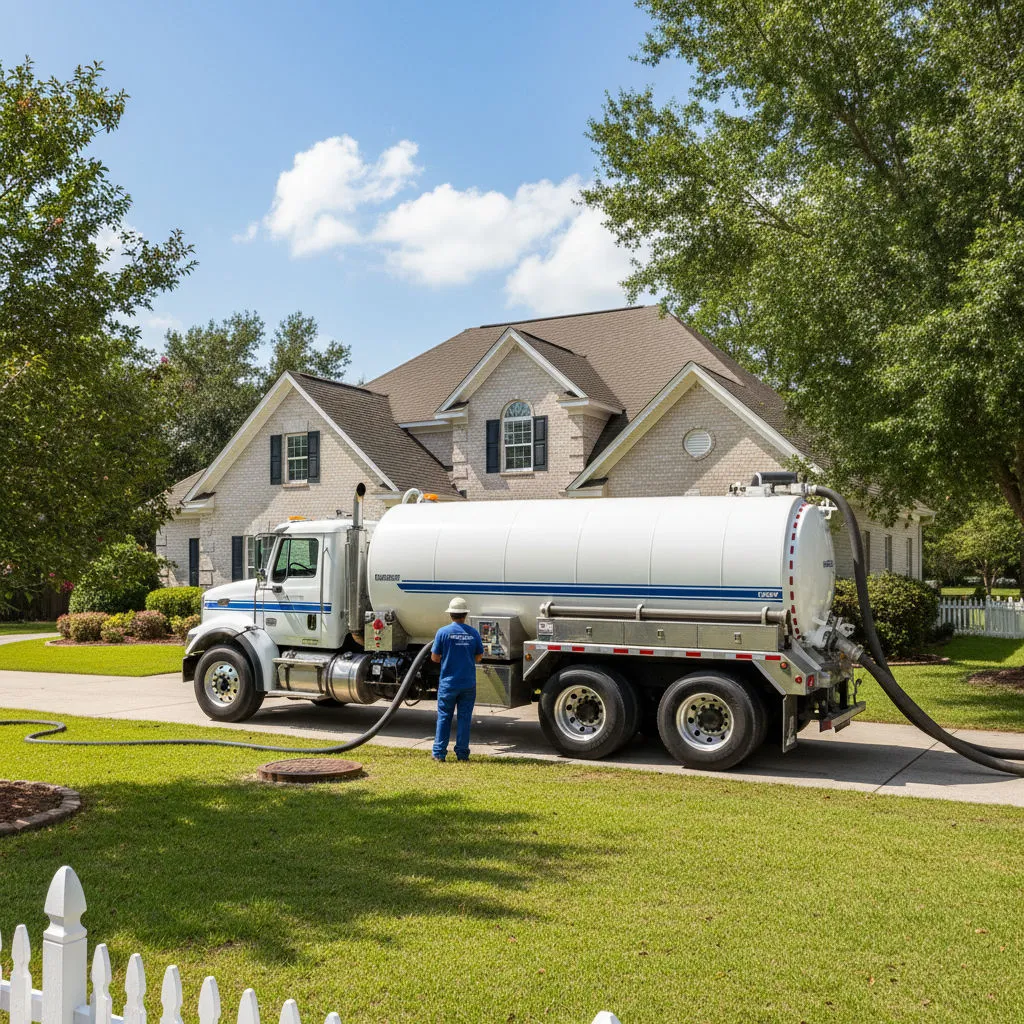
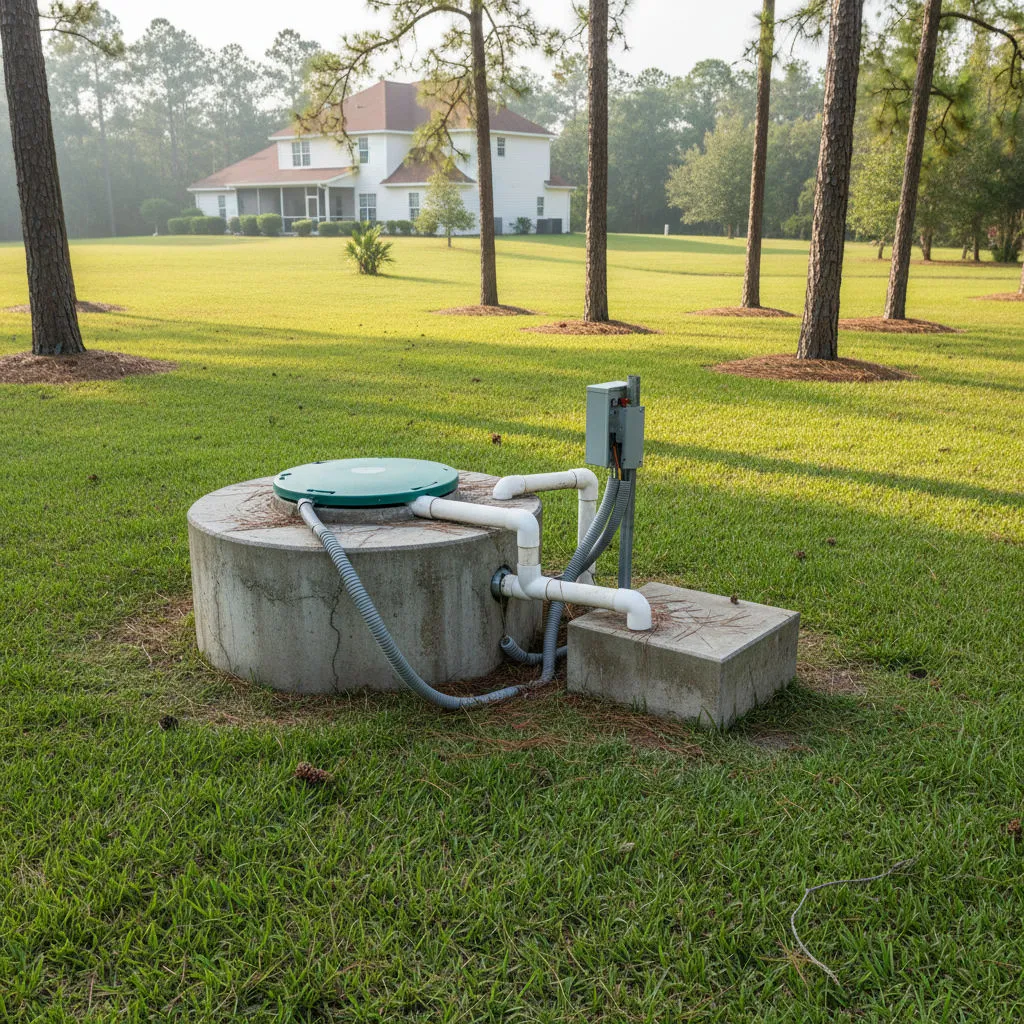
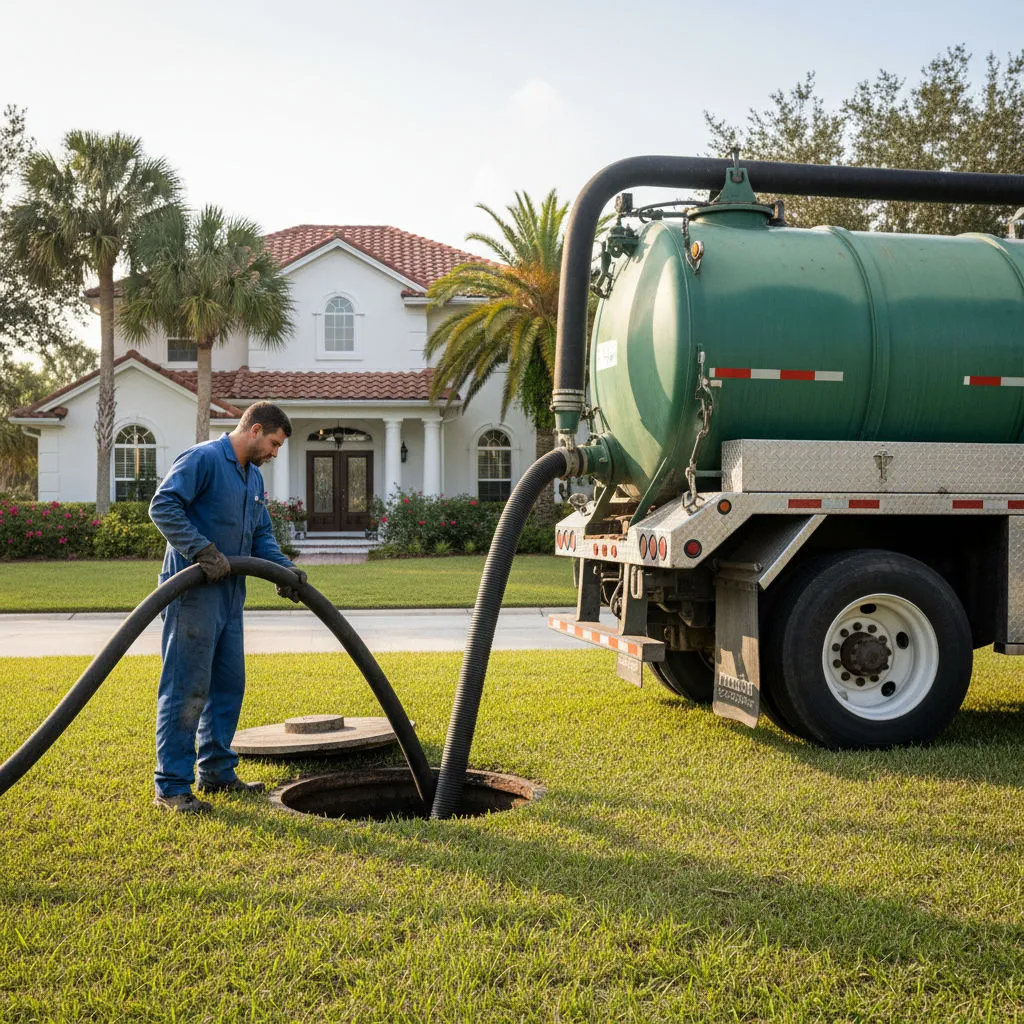
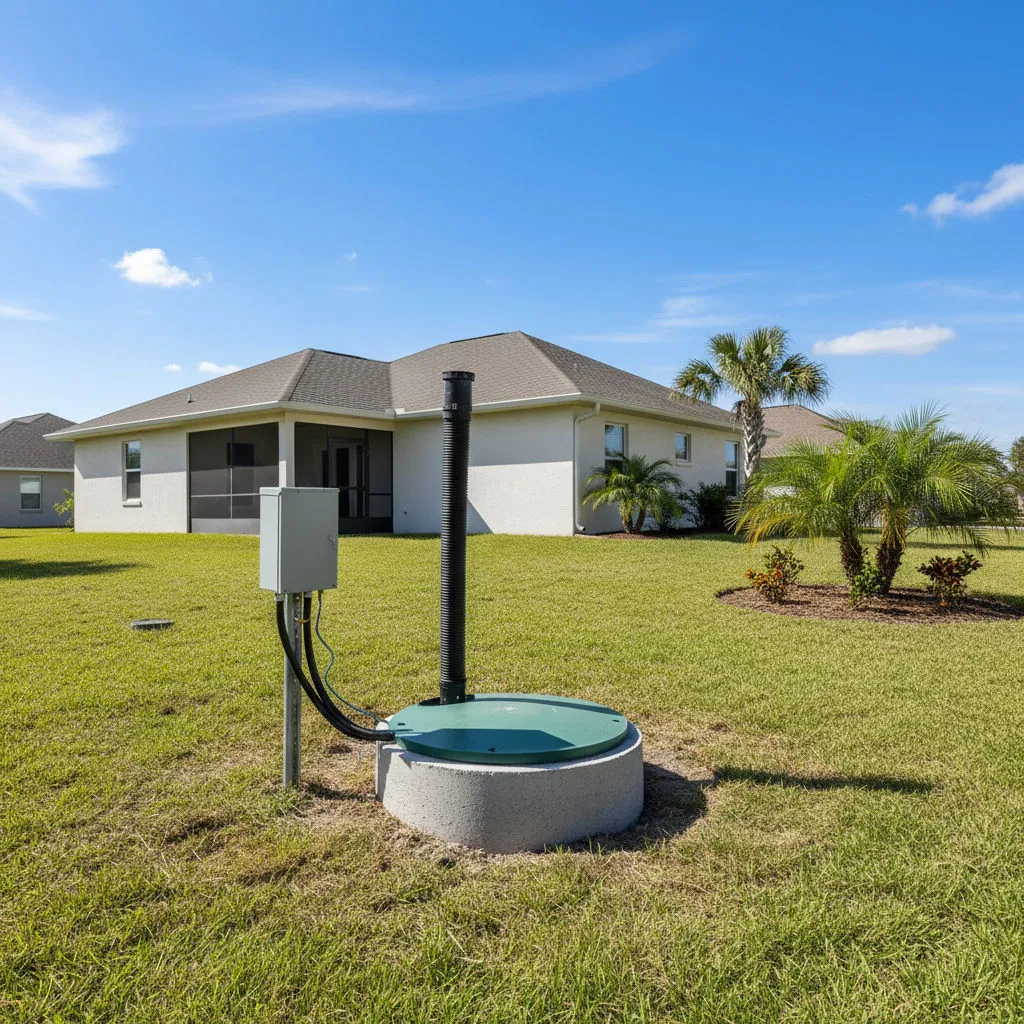
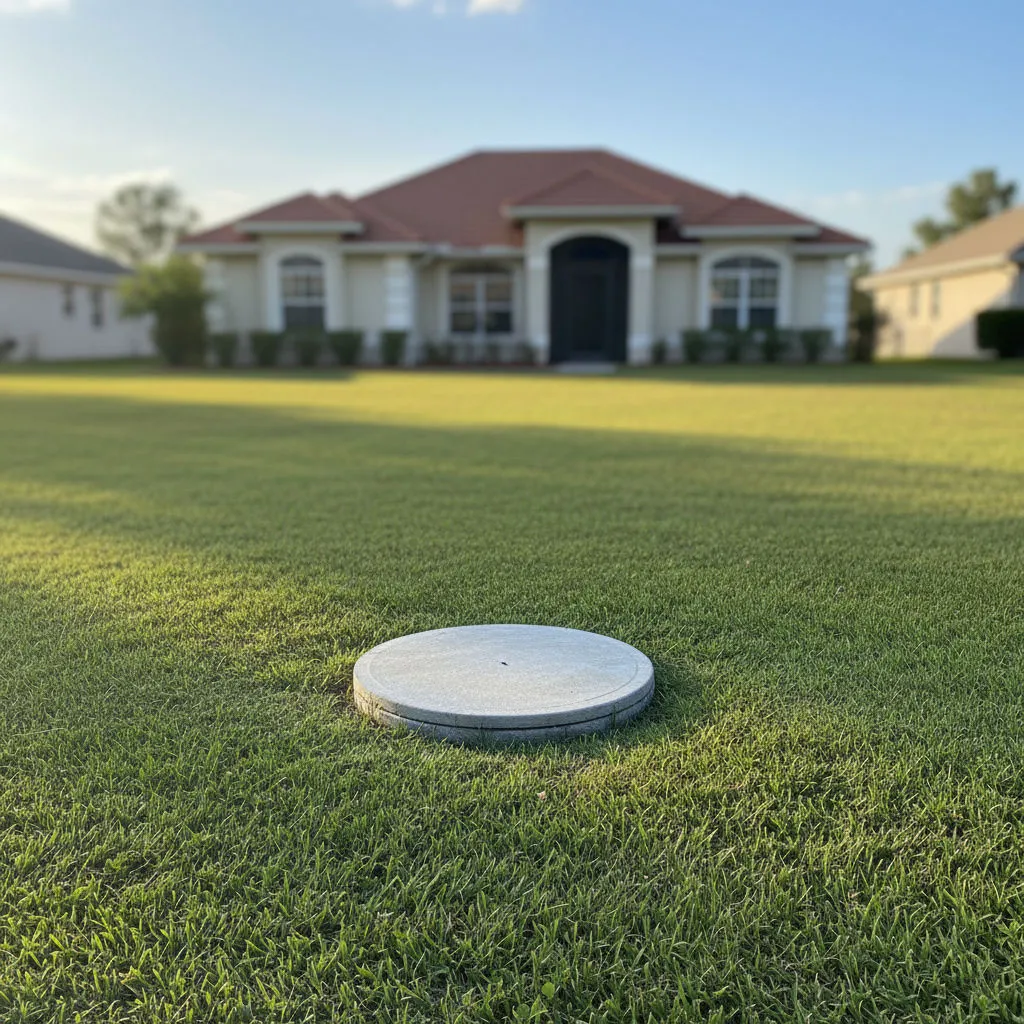
Minneapolis's high water table and porous limestone create specific challenges for septic tank pumping and septic system maintenance. Our licensed Minneapolis septic technicians diagnose and repair clogs, sewage backups, drain field saturation, and structural failures affecting Hennepin County wastewater systems. Understanding these common septic problems helps Minneapolis homeowners recognize when septic tank pumping service becomes urgent.
Signs You Need Septic Tank Pumping Service in Minneapolis
Your Minneapolis septic system signals when septic tank pumping becomes overdue. Recognizing these warning signs early prevents emergency septic situations and costly repairs:
- Slow Drains Throughout Your Minneapolis Home: Multiple fixtures draining slowly indicates your septic tank has reached capacity and requires immediate septic tank pumping service. Schedule Minneapolis septic tank pumping before complete system backup occurs.
- Sewage Backups in Minneapolis Homes: Foul wastewater backing into your home signals emergency septic tank pumping is overdue. Stop using all water fixtures immediately and call for Minneapolis septic tank pumping service before contamination spreads.
- Sewage Odors Near Your Septic Tank: Foul smells near your Minneapolis septic tank, in your yard, or from drains indicate ventilation failure or septic tank overflow. Professional septic tank pumping resolves odor problems - temporary fixes won't work.
- Standing Water Over Septic Components: Pooling wastewater indicates your Minneapolis septic tank has exceeded capacity or your drain field has failed. Both conditions require immediate professional septic tank pumping service and system evaluation.
- Lush Grass Over Minneapolis Drain Fields: Unusually vibrant grass over your leach field means excess nutrients from a full septic tank are fertilizing your lawn. Schedule Minneapolis septic tank pumping soon to prevent drain field damage.
- Gurgling Drains and Plumbing Fixtures: Gurgling sounds from plumbing fixtures indicate blocked vents or a full septic tank creating pressure problems. Schedule Minneapolis septic tank pumping before complete blockage occurs.
Septic System Issues We Repair in Minneapolis
Our licensed Minneapolis septic contractors service these common malfunctions affecting Hennepin County septic systems and wastewater equipment:
- Septic Blockages and Backups: We clear severe clogs caused by excessive solid accumulation, non-biodegradable materials, or tree root infiltration in Minneapolis septic systems. Most blockages signal you require septic tank pumping service immediately.
- Drain Field Failure in Minneapolis: Minneapolis's soil conditions make drain fields vulnerable to saturation and biomat buildup. Our septic technicians diagnose leach field failures and determine whether repairs or complete replacement becomes necessary after septic tank pumping assessment.
- Cracked Septic Tanks: We repair or replace Minneapolis septic tanks damaged by ground settling, vehicle traffic, or age-related deterioration. Septic tank cracks allow groundwater infiltration and sewage leakage requiring professional septic tank pumping and assessment.
- Baffle Deterioration: Failed baffles allow solids to escape into drain fields, causing premature Minneapolis septic system failure. We inspect and replace damaged inlet and outlet baffles during septic tank pumping service.
- Root Intrusion in Septic Lines: Tree roots infiltrate Minneapolis septic pipes seeking moisture and nutrients. We remove roots and repair damaged lines throughout Minneapolis properties during comprehensive septic tank pumping and septic service appointments.
- Biomat Overgrowth: Excessive bacterial layers in Minneapolis drain fields prevent wastewater absorption. We treat biomat problems through septic tank pumping, system resting, and sometimes leach field replacement.
- Clogged Effluent Filters: We clean or replace effluent filters during routine Minneapolis septic tank pumping service. Preventative filter maintenance protects drain fields from solid contamination and extends septic system life.